
Introduction
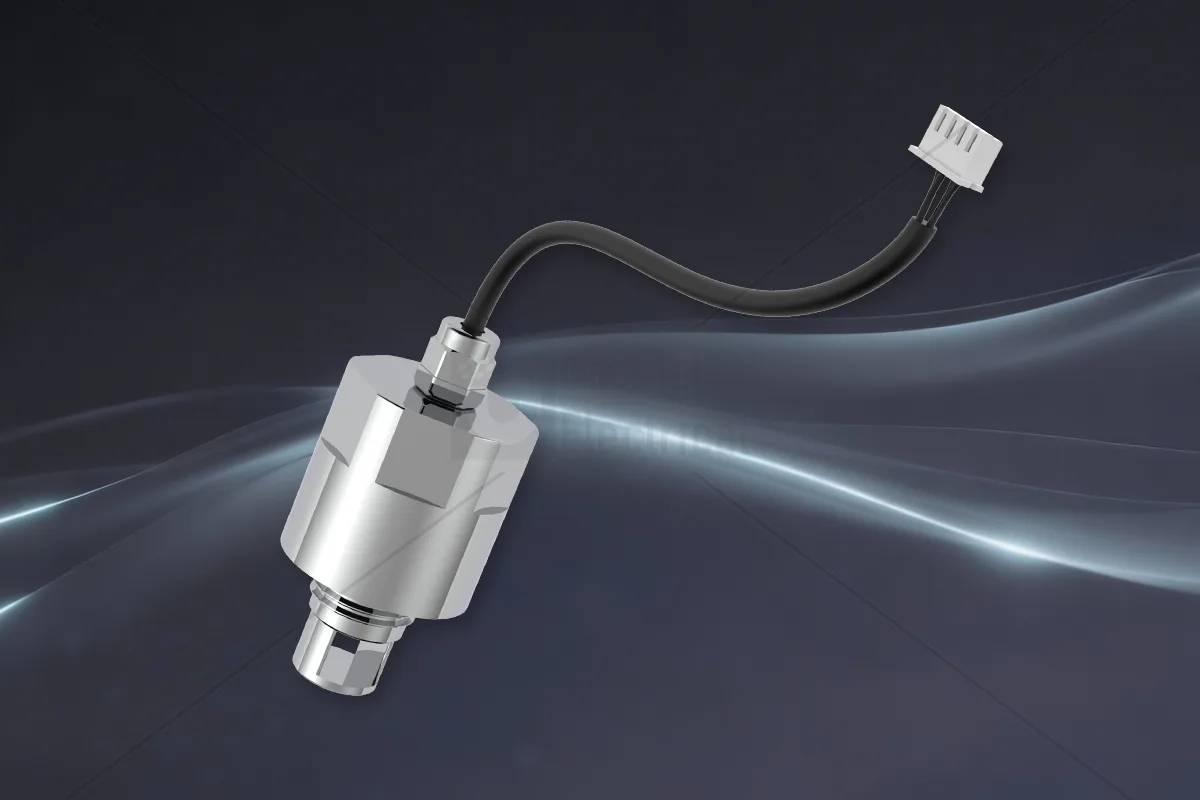
NSDD-Lite3 is a compact multiparameter water quality sensor that uses a non-contact spectroscopic measurement principle and can simultaneously output TOC, COD, UV254, and temperature signals. It contains no chemical reagents and, through its 316L stainless steel body and G1/2 process connection, is suitable for integration into pipes, tanks, and industrial equipment. In practical engineering, temperature has a clear impact on spectroscopic measurement, so understanding the difference between "temperature compensation" and "calibration" and mastering field verification methods are key to ensuring the reliability of trend data.
The Difference Between Temperature Compensation and Calibration
Temperature compensation is the process in which the sensor automatically compensates the spectroscopic signal based on the measured water temperature. Its role is to reduce reading drift caused by changes in water temperature, so that the same water sample outputs more consistent results at different temperatures. Temperature compensation does not change the sensor's basic response model, nor does it establish a quantitative relationship with laboratory standard methods.
Calibration, on the other hand, adjusts the mapping relationship between the sensor reading and a reference method (such as laboratory COD/TOC analysis) through standard solutions or field sampling with laboratory comparison. Calibration usually requires standard solutions of known concentration, or actual water samples covering high, medium, and low concentrations, and must be updated regularly.
| Item | Temperature Compensation | Calibration |
|---|---|---|
| Purpose | Compensate for the effect of water temperature on the spectroscopic signal | Establish a quantitative relationship between sensor readings and a reference method |
| Implementation Method | Performed automatically by the sensor's built-in algorithm | Requires standard solutions or field sampling with laboratory comparison |
| Result | Improves consistency of the same water sample at different temperatures | Provides traceable measurement accuracy |
| Limitations | Only addresses temperature changes, does not correct changes in water sample composition | Depends on the representativeness of calibration points, requires regular review |
In practical applications, temperature compensation can be seen as a kind of "real-time compensation," while calibration is "periodic standardization." The two have different roles and cannot replace each other.
Trend Verification Under Different Water Samples and Operating Temperatures
When using NSDD-Lite3 in the field, it is recommended to position the spectroscopic sensor as a trend monitoring and early warning tool, rather than a laboratory compliance analysis instrument. To verify its trend reliability, the following methods can be followed:
1. Temperature gradient test (laboratory or bypass setup)
Select actual water samples similar to the target water body (for example, drinking water, purified water, or industrial process water), gradually change the water sample temperature under controlled conditions, and observe the sensor readings for the same water sample. When temperature compensation is enabled, the TOC, COD, and UV254 readings should remain relatively stable and should not show monotonic drift with temperature.
During the test, note the following:
- The water sample must be thoroughly stirred to avoid local temperature unevenness;
- After each temperature change, wait for the sensor and water sample to reach thermal equilibrium;
- Record the raw signal and the compensated signal, and compare the difference between them.
2. Parallel comparison of actual water samples
At the target monitoring point, simultaneously collect water samples for laboratory analysis and compare the laboratory results with the sensor's online readings. It is recommended to cover at least three concentration levels—low, medium, and high—to evaluate the sensor's performance under different organic loadings. For drinking water and purified water, organic concentrations are usually low, and changes in UV254 and TOC may be small, requiring a longer observation period. For industrial process water, the composition is complex, and a local model may need to be established for the specific process.
3. Long-term trend cross-validation
In an online water quality monitoring system, record NSDD-Lite3's UV254, TOC, and COD parameters together with temperature. Under normal conditions, the three should show reasonable correlation: when UV254 rises, TOC/COD should also trend upward; if one parameter is abnormal while the others show no change, check whether temperature compensation is effective, whether the sensor window is contaminated, or whether air bubbles are present.
Implementation Steps and Decision Methods
For system integrators and equipment manufacturers, it is recommended to deploy NSDD-Lite3 and verify the temperature compensation effect according to the following steps:
- Installation and Communication Configuration
Select the G1/2 connection according to the process pipe to ensure that the measurement window of the sensor probe is fully in contact with the medium, without air bubbles or deposits blocking it. Configure RS485 or UART communication and isolate the digital signal to reduce electromagnetic interference.
- Thermal Equilibrium Confirmation
After power-on, wait for the sensor's internal temperature to match the medium temperature. For locations with large temperature changes, record the response time of the temperature sensor as a basis for system delay compensation.
- Data Acquisition and Logging
Set a reasonable sampling period and averaging window to avoid interference from instantaneous fluctuations. It is recommended to simultaneously record the raw temperature value and the temperature-compensated TOC/COD/UV254 values for later analysis.
- Field Sampling and Laboratory Comparison
Carry out sampling according to plan, covering different operating conditions (such as startup, steady state, and after cleaning). Laboratory analysis methods should follow relevant standards, but sensor readings should only serve as trend references and do not replace compliance testing.
- Establish a Local Trend Baseline
For a specific water source or process, run continuously for at least 1–2 weeks to establish a parameter baseline. When readings exceed the baseline range, first confirm temperature changes and sampling conditions, then determine whether a water quality abnormality has occurred.
Limitations and Precautions
NSDD-Lite3 uses spectroscopic measurement, and its limitations must be made clear:
- It is not a standard COD/TOC laboratory method: The spectroscopic signal is affected by the color, turbidity, and specific organic composition of the water sample and cannot be directly equated with the results of the laboratory potassium dichromate method or combustion oxidation method.
- The temperature compensation range is limited: The temperature compensation algorithm only targets the temperature range allowed by the design; outside this range, compensation effectiveness may not be guaranteed. The specific temperature range should be based on the product manual; this article does not provide unverified values.
- Complex matrices require local modeling: For high suspended solids, strongly absorbing substances, or special industrial wastewater, the general model may deviate, and field sampling is needed to establish a correction curve.
- Maintenance requirements: The measurement window must be cleaned regularly to prevent biofilm or scaling from affecting the spectroscopic signal.
Frequently Asked Questions (FAQ)
Q: Can temperature compensation replace calibration?
No. Temperature compensation only compensates for signal changes caused by water temperature, while calibration establishes a quantitative relationship between sensor readings and a standard method. The two have different roles. It is recommended to perform field calibration during initial installation, and then rely on temperature compensation to maintain daily consistency.
Q: Can NSDD-Lite3's COD readings be used directly for discharge compliance determination?
No. Field spectroscopic sensors are suitable for trend monitoring and process control; compliance discharge determination must use laboratory standard methods in accordance with regulatory requirements. NSDD-Lite3 data can be used for early warning and trend analysis, but cannot serve as legally reportable data.
Q: How can one quickly determine whether temperature compensation is effective?
Take the same water sample and measure it at multiple temperature points (for example, changing the temperature within the range allowed by the equipment), then compare the temperature-compensated TOC/COD/UV254 readings. If the compensated readings are basically consistent, temperature compensation is effective; if they still change significantly with temperature, check the installation, cleaning, or contact the manufacturer.
Summary
As a reagent-free, non-contact multiparameter water quality sensor, NSDD-Lite3 provides a low-maintenance solution for online trend monitoring of COD, TOC, and UV254. Understanding the boundaries between temperature compensation and calibration, and verifying data trends through temperature gradient tests and field parallel comparisons, is the basis for reliable decisions in engineering applications. In actual projects, spectroscopic sensor data should always be used in combination with laboratory methods to avoid overinterpreting single-point readings.
Discuss your application
Tell us your target parameters, water matrix, interface and annual volume. Our engineering team will recommend a practical configuration.
Request a Quote